
Your new client in Toronto loves your designs. The contract is signed, the deadline is set, and then the email lands: “We’ll pay you in USD Coin (USDC). Can you send your wallet address?” You reply “Sure, no problem” and immediately open Google, because you’re wondering, “what is USDC,” and is it the same thing your cousin keeps calling “dollar on the blockchain”?
You’re not alone. A growing number of Nigerians get paid in USDC by companies or clients abroad, and plenty of them have never had it explained properly. It isn’t complicated once someone breaks it down.
This guide covers what USDC is, how it holds its value, the risks worth knowing, how Nigerians actually use it, and how to turn it into Naira when you need to spend it.
Table of Contents
What Is USDC?
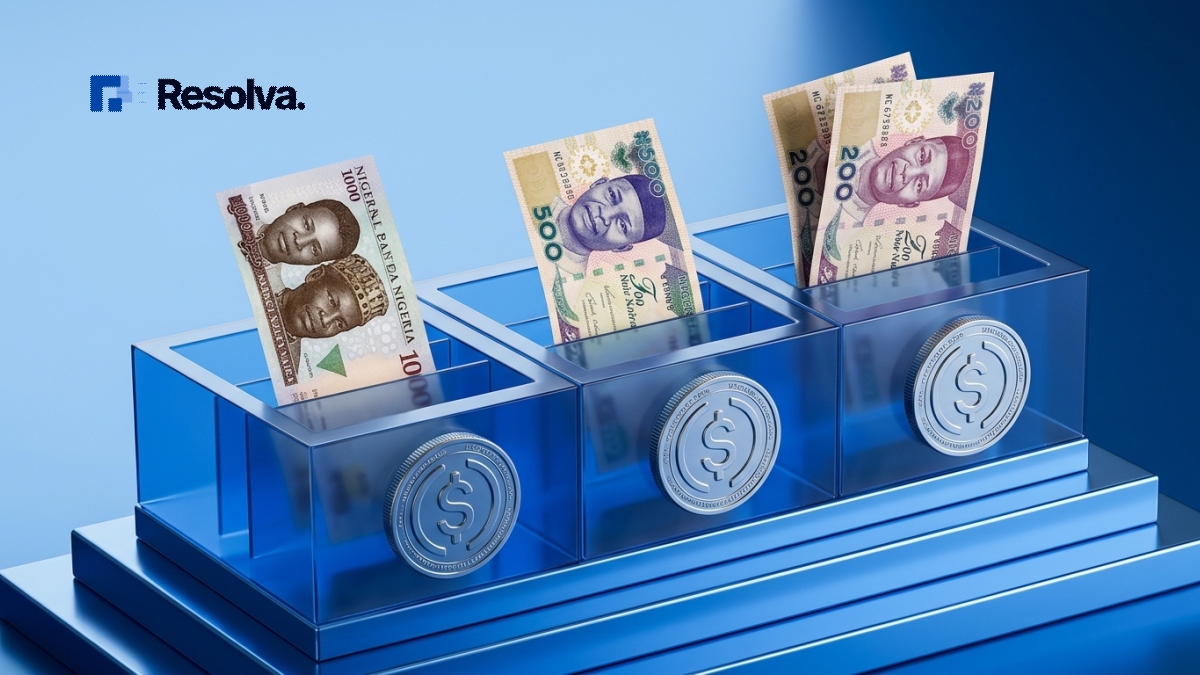
So, what is USD Coin, or USDC as most people call it? It’s a digital dollar. It’s a type of cryptocurrency called a stablecoin, built to stay at $1 instead of rising and falling like Bitcoin. One USDC is meant to be worth one US dollar, today, tomorrow and next month.
It’s issued by Circle, a US financial technology company, and first launched on Ethereum in September 2018. Since then it has become one of the most widely used stablecoins in the world, with about $73 billion in circulation by mid-2026.
The easiest way to picture it: USDC is the dollar, rebuilt so it can move over the internet like a message. You can send it across the world in minutes, any day of the week, without waiting for a bank to open.
How Does USDC Work?
Understanding how USDC works comes down to one idea: every coin is backed by real money held somewhere else.
The reserves
For every USDC in circulation, Circle says it holds an equal amount in reserve. Most of that money sits in a government money market fund made up of cash, short-term US Treasury bills and overnight repurchase agreements with large banks. These are some of the safest, easiest-to-access assets in traditional finance.
The checks
A big accounting firm reviews those reserves every month and publishes a report on Circle’s website. Anyone can read it. This regular, public checking is one of the main reasons businesses tend to trust USDC.
Creating and redeeming
When an approved business sends Circle $1,000, Circle creates 1,000 USDC for them. When USDC is handed back, Circle destroys those coins and returns the dollars. Only institutions deal with Circle directly this way. Everyone else, including you, buys and sells USDC through exchanges, apps and other holders.
That create-and-redeem cycle is what keeps the price at $1. If USDC ever trades below a dollar, big players can buy it cheaply and redeem it with Circle for a full dollar, which pushes the price back up.
Is USDC Risk-Free?
No digital dollar is, and it’s better to know this now than to learn it the hard way.
It has slipped before
In March 2023, Silicon Valley Bank in the US collapsed while holding $3.3 billion of Circle’s reserves. Panic followed, and USDC briefly fell to around $0.88. It climbed back to $1 within days once US regulators confirmed depositors would be protected, but the episode showed that a stablecoin is only as solid as the places its money is kept.
It isn’t government-insured
Your USDC isn’t covered the way money in a bank account is. It’s backed by Circle’s reserves, not by a deposit insurance scheme.
Circle can freeze coins
Because Circle controls USDC, it can block specific wallet addresses, usually when required by law enforcement. Most people never come close to this, but it’s worth knowing that USDC is not as hands-off as Bitcoin.
Mistakes are hard to undo
Send USDC to the wrong address, or on the wrong network, and you may not get it back. More on that below.
None of this makes USDC unsafe for everyday use. It just means it’s a well-run private product, not a bank deposit.
How Nigerians Use USDC
USDC in Nigeria has quietly become part of how people earn and move money, especially anyone working with clients or partners abroad.
| Use case | What it looks like |
|---|---|
| Remote work pay | Foreign companies pay salaries or contracts in USDC instead of slow, costly bank wires. |
| Freelance income | Designers, writers and developers invoice in USDC and get paid within minutes. |
| Business transfers | Importers and traders settle with suppliers abroad without chasing dollars at the bank. |
| Holding value | Some people keep part of their income in USDC so it isn’t eaten by Naira swings. |
| Everyday spending | Turning USDC into Naira to pay rent, bills or family when it’s needed. |
The last one is where most people get stuck. Earning in USDC is easy. Paying your landlord with it is a different story, because your landlord wants Naira in his bank account, not a wallet address.
USDC Networks: Why Matching Matters
USDC doesn’t live on just one blockchain. Circle issues it on many, including Ethereum, Solana and Base. Each one is a separate road, and coins can’t jump between roads on their own.
So when you receive or send USDC, the network on both ends must match. Send USDC on Solana to an address expecting Ethereum, and the money may never arrive.
These are the USDC networks Resolva supports:
| Network | Also called | Speed and cost |
|---|---|---|
| Base | Base | Fast, very low fees |
| Ethereum | ERC20 | Slower, higher fees |
| BNB Chain | BEP20 | Fast, low fees |
| Solana | SOL | Very fast, very cheap |
Note: On BNB Chain, the USDC you’ll find is a bridged version rather than one Circle issues directly. It still works for sending and receiving, but always check the network label before you confirm a transfer.
Before you share an address with a client, ask which network they’re paying on, then pick that same network on your side.
How to Spend or Convert USDC to Naira
Most apps can turn USDC into Naira. The problem is what happens next. The money lands in your own account, and if you were paying someone, you now have to send it again.
Resolva handles both jobs without that extra step:
- Receive converts your USDC into Naira and pays it straight into your own bank account.
- Send pays Naira into anyone else’s Nigerian bank account directly from your USDC. They don’t need a wallet, an app or any idea what USDC is.
There are no transaction fees, and you see the Naira amount before you send. Our guide on how to spend or convert USDC takes you through both features step by step. You’ll need a Resolva Individual account to get started.
Spend Your USDC Like Naira
Become a Resolva Pal and turn your USDC into bank transfers anyone can receive. Download the app and set up your account in minutes.
Quick FAQs
What is USDC in simple terms?
USDC, or USD Coin, is a digital dollar issued by Circle. Each coin is designed to stay worth $1 and is backed by cash and short-term US government debt.
What’s the difference between USDC and USDT?
Both are dollar stablecoins. USDC is issued by Circle and has its reserves checked monthly by a large accounting firm. USDT is issued by Tether and is more widely traded, especially in Nigeria. Our explainer on what USDT is covers it in full.
Is USDC the same as a US dollar?
Not exactly. It’s designed to match the dollar’s value, but it isn’t issued by a government or insured like a bank deposit. Its value depends on Circle’s reserves.
Which USDC networks does Resolva support?
Base, Ethereum (ERC20), BNB Chain (BEP20) and Solana. Always use the same network on both ends of a transfer.
How do I convert USDC to Naira in Nigeria?
On Resolva, use Receive to cash out to your own bank account, or Send to pay someone else’s account directly. The Naira lands once your transaction confirms on the blockchain.
Can I lose money holding USDC?
Its price is designed to stay at $1, and it has done so almost all of the time. It briefly fell below a dollar in March 2023 before recovering. The bigger everyday risk is sending it on the wrong network.